

Homeowners often use the words designer, architect, builder, remodeler, and general contractor as though they describe the same role. They do not. Understanding who is responsible for each decision can prevent confusion before your Dallas remodeling project begins.
Homecorp uses a design-driven approach because I have seen how quickly a beautiful idea can become expensive when design and construction are developed separately. The right structure is the one that gives your project clear responsibility from the first drawing through the final walkthrough.
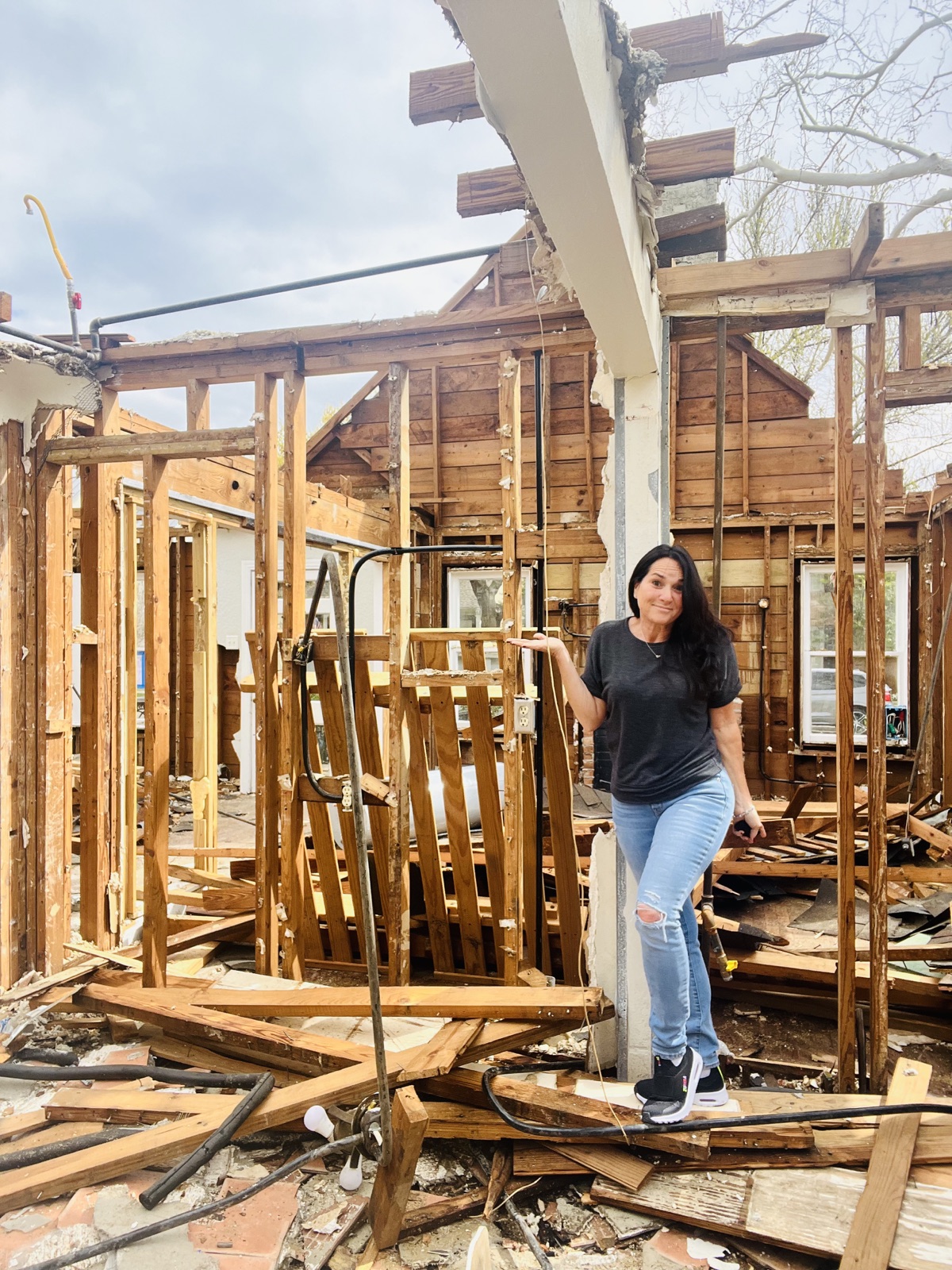
What is the traditional general contractor approach?
In a traditional process, the homeowner may hire a designer or architect first, complete drawings, and then ask contractors to bid the work. The general contractor is primarily responsible for building from the documents and coordinating labor, materials, scheduling, and inspections.
This can work well when the drawings are complete, the specifications are detailed, and the budget was tested during design. Problems arise when contractors receive plans that leave important decisions open or describe a project that does not match the homeowner’s investment range.
What is design-build?
Design-build connects design and construction under one coordinated team or process. Layout, materials, budget consequences, feasibility, and sequencing are discussed together instead of being handed from one company to another.
For homeowners, the practical benefit is not simply convenience. It is earlier construction input. A wall change, cabinet detail, appliance selection, or material transition can be evaluated for both design value and field impact before the drawings are finalized.
How the two approaches differ
Responsibility
Traditional delivery divides responsibility among separate contracts. Design-build creates one coordinated path, although licensed architects, engineers, and specialty trades may still participate when required.
Budget feedback
With a traditional bid, meaningful pricing may arrive after design is complete. In design-build, cost consequences can be discussed while the plan is still flexible.
Communication
Traditional projects require the homeowner to help manage communication between designer and contractor. Design-build places more of that coordination inside the project team.
Changes
Either approach can experience changes. The difference is how early conflicts are found and how clearly the team documents scope, exclusions, allowances, and decisions.
Questions to ask any remodeling team
- Who is responsible for the floor plan and construction details?
- When will the budget be tested against the design?
- Who coordinates engineering, permits, selections, and trade requirements?
- How are allowances and exclusions documented?
- Who answers field questions when drawings and existing conditions differ?
- How are changes approved before work proceeds?
When design-build may be the better fit
Design-build is especially useful for kitchens, bathrooms, additions, whole-home remodels, and projects where several rooms or systems must connect. It is also valuable for homeowners who want guidance through selections and do not want to coordinate multiple companies themselves.
A small, clearly defined repair may not need a full design-build process. The scope should determine the structure, not the other way around.
My perspective as a woman contractor
Many clients come to me because they want to be heard before someone tells them what to build. I begin with how the home needs to function, then connect that vision to drawings, selections, and construction reality. Personalized attention means the client understands why a decision matters, not simply what to choose.
Choose clarity before choosing a delivery method
Explore Homecorp’s remodeling and construction services, learn more about our approach, or tell us about your Dallas–Fort Worth project.
Frequently asked questions
Does design-build eliminate the need for an architect or engineer?
No. Licensed professionals may still be required depending on the scope. Design-build coordinates those services within one project path.
Can I compare bids in a design-build process?
You can compare companies, but totals are meaningful only when the scopes, allowances, specifications, and responsibilities are equivalent.
Is design-build only for large projects?
No, but it provides the most value when design decisions affect several trades or spaces.
Design build vs. general contractor in Dallas: how to choose
For Dallas homeowners, the design build vs. general contractor choice comes down to who is responsible for the drawings. If you are comparing design build vs. a general contractor in Dallas, I can explain how Homecorp handles both sides. Homecorp handles design and construction together across Dallas–Fort Worth: see our kitchen remodeling, bathroom remodeling and whole-home remodeling pages, or call me at 214 450 2449. Hablamos español. More finished projects are on Instagram.
Leave a Reply